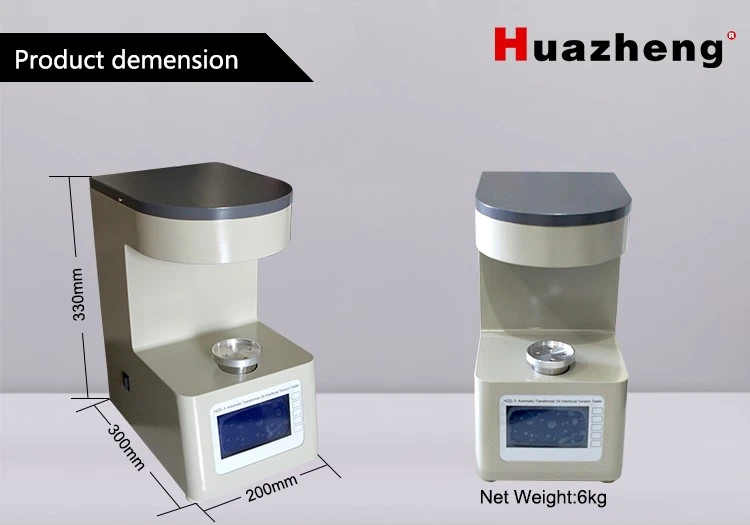
Surface tension plays a role in various situations, and the following are some main scenarios and their explanations:
Forming droplets and water droplets:
The existence of liquid surface tension causes droplets and water droplets to have specific shapes, generally circular or hemispherical. This shape helps minimize the surface area of the liquid.
For example, raindrops appear spherical in the air, which is the result of surface tension.
Capillary phenomenon:
Surface tension is one of the reasons for capillary phenomenon. When a liquid enters a tubular or small hole, the surface of the liquid repels air or other gases, causing the liquid to rise in the smaller hole.
A typical example of capillary action is when plants absorb water from the soil through capillary action.
Forming foam and bubbles:
The surface tension is also the reason for the formation of foam and bubbles. When material molecules are released in gas molecules, liquid molecules will repel the gas and form an impermeable interface on its surface, forming foam or bubbles.
Foam and bubble are widely used in industrial production and daily life, such as washing, food production, etc.
Affects liquid flow:
Surface tension can affect the flow of liquids. When the liquid surface area is large, the surface of the liquid will be subjected to the force of surface tension, forming a physical discrete layer at the bottom of the liquid, and the liquid can only flow from this discrete layer.
For example, on the circular structure of a train, surface tension allows liquid to adhere to the surface, forming an approximately inviscid flow.
Pharmaceutical manufacturing industry:
Surface tension can be used to evaluate the ion chromatography migration time, spontaneous emulsification ability, and wettability of drugs, ensuring the quality and safety of drugs.
Chemical industry:
In the chemical industry, surface tension can be used to evaluate the stability of chemical surfaces, assess the adhesion and durability of paints and waterproof materials, evaluate the effectiveness of detergents, and ensure the quality and performance of chemical products.
Printing and textile industry:
Surface tension can be used to measure the surface tension of various printing inks, evaluate the dyeing properties of fabrics, and assess the adhesion of coatings and adhesives.
Liquid transportation and spraying:
In liquid transportation, reducing surface tension can make the liquid flow more smoothly, reduce resistance and energy consumption during transportation.
In fields such as printing and painting, adjusting the surface tension of liquids can affect the size and distribution of sprayed droplets, thereby affecting the spraying effect.
In summary, surface tension plays an important role in the formation, flow, transportation, spraying, and various industrial applications of liquids. Understanding the characteristics and mechanisms of surface tension can help better control and utilize the properties of liquids.