

As a supplier of SF6 gas analyzers, I've had my fair share of conversations with customers about the ins and outs of these nifty devices. One question that pops up again and again is about the maintenance requirements for an SF6 gas analyzer. Well, let's dive right in and break it down!
Why Maintenance Matters
Before we get into the nitty - gritty of what maintenance tasks you need to do, let's quickly talk about why it's so important. SF6 gas analyzers are used in crucial applications, like checking the quality of SF6 gas in electrical equipment. If the analyzer isn't working properly, it can lead to inaccurate readings. And inaccurate readings can spell trouble for the electrical systems that rely on the purity and humidity levels of SF6 gas. So, regular maintenance is key to ensure the analyzer is in tip - top shape and providing reliable data.
Routine Checks
First off, routine checks should be on the top of your list. These are the simple things you can do on a regular basis to keep things running smoothly.
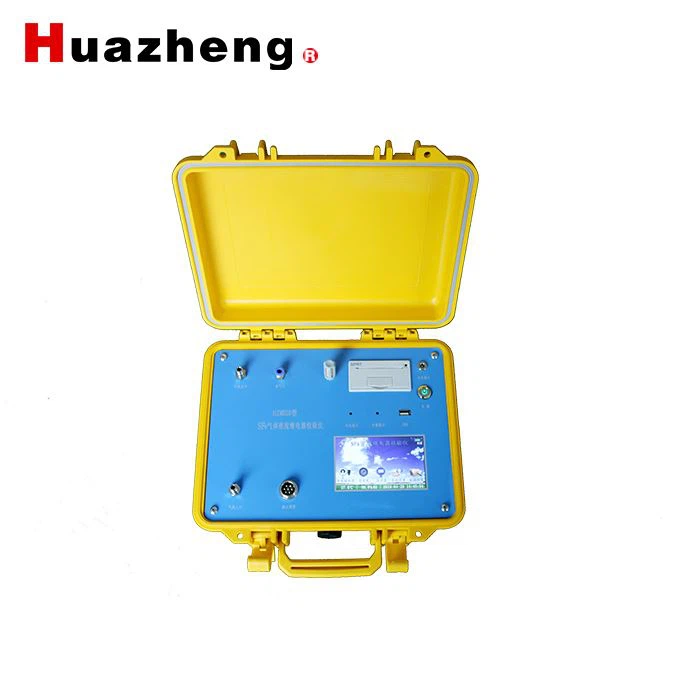

- Visual Inspection: Every so often, give your analyzer a good look - over. Check for any signs of physical damage, like cracks in the casing or loose connections. A damaged unit can affect the accuracy of the readings and may even lead to safety hazards. If you spot any issues during your visual inspection, it's a good idea to stop using the analyzer and reach out for professional help.
- Cleaning: The sensors in an SF6 gas analyzer are sensitive, and they can get dirty over time. Dust, debris, or even some types of gases in the environment can interfere with the sensors' ability to detect SF6 accurately. Use a soft, dry cloth to wipe down the exterior of the analyzer and the areas around the sensors. Avoid using harsh chemicals as they can damage the sensors.
Sensor Calibration
One of the most important maintenance tasks for an SF6 gas analyzer is sensor calibration. The sensors in these analyzers are responsible for detecting the different components of SF6 gas, like humidity, purity, and decomposition products. Over time, the sensors can drift, which means their readings may become less accurate.
- Frequency: How often you need to calibrate your analyzer depends on a few factors, such as how often you use it and the environment it's in. As a general rule, it's a good idea to calibrate your analyzer at least once a year. However, if you use it more frequently or in a harsh environment, you may need to calibrate it more often.
- Calibration Process: Calibrating an SF6 gas analyzer is a technical task that usually requires special calibration gases and equipment. It's best to have it done by a professional or follow the manufacturer's instructions carefully if you're doing it yourself. By ensuring proper calibration, you can be confident that the readings from your analyzer are reliable.
Gas Inlet and Outlet Maintenance
The gas inlet and outlet of the SF6 gas analyzer are critical parts of the system. They allow the gas to flow in and out of the analyzer for testing.
- Blockage Checks: Over time, the gas inlet and outlet can become blocked by dust, debris, or even small particles of the SF6 gas itself. This can affect the flow of gas through the analyzer and lead to inaccurate readings. Regularly check the inlet and outlet for any signs of blockage. You may need to use a small brush or a can of compressed air to clean out any debris.
- Seal Inspection: The seals around the gas inlet and outlet are important for preventing gas leaks. Check the seals for any signs of wear or damage. If you notice a leak, it's important to replace the seals as soon as possible to ensure the safety and accuracy of the analyzer.
Software Updates
In today's digital age, many SF6 gas analyzers come with software that helps process and display the data. Just like your smartphone or computer, the software in your analyzer can benefit from updates.
- New Features and Improvements: Software updates often include new features, bug fixes, and improvements to the accuracy of the readings. By keeping your software up - to - date, you can take advantage of these enhancements and ensure that your analyzer is performing at its best.
- How to Update: Check the manufacturer's website regularly for software updates. Most of the time, the updates are easy to install. Just follow the instructions provided, and you'll have the latest version of the software up and running in no time.
Storage and Transportation
Proper storage and transportation of your SF6 gas analyzer are also important for its maintenance.
- Storage: When you're not using the analyzer, store it in a clean, dry place. Avoid storing it in areas with extreme temperatures or high humidity, as these conditions can damage the analyzer's components. If possible, store the analyzer in its original case to protect it from dust and physical damage.
- Transportation: If you need to transport the analyzer, make sure it's properly packed. Use a padded case or box to protect it from bumps and vibrations during transit. Also, make sure to follow any special instructions from the manufacturer regarding transportation.
Related Products
If you're in the market for an SF6 gas analyzer or related products, we've got some great options for you. Check out our SF6 Gas Treatment And Recovery Unit, which is designed to handle the treatment and recovery of SF6 gas efficiently. And for a comprehensive solution, our 3 - in - 1 Comprehensive Humidity Purity Decomposition Products SF6 Gas Analyser can measure multiple parameters at once. We also offer the HZMD20 Sulfur Hexafluoride Sf6 Gas Density Relay Calibration System for accurate calibration of SF6 gas density relays.
Conclusion
Maintaining an SF6 gas analyzer isn't overly complicated, but it does require some regular attention. By performing routine checks, calibrating the sensors, maintaining the gas inlet and outlet, updating the software, and storing and transporting the analyzer properly, you can ensure that it provides accurate and reliable readings for years to come.
If you have any questions about the maintenance of our SF6 gas analyzers or if you're interested in purchasing one, don't hesitate to reach out. We're here to help you make the best decisions for your needs.
References
- Manufacturer's manuals of SF6 gas analyzers
- Industry standards for SF6 gas analysis and equipment maintenance
- Technical papers on SF6 gas properties and analysis techniques