

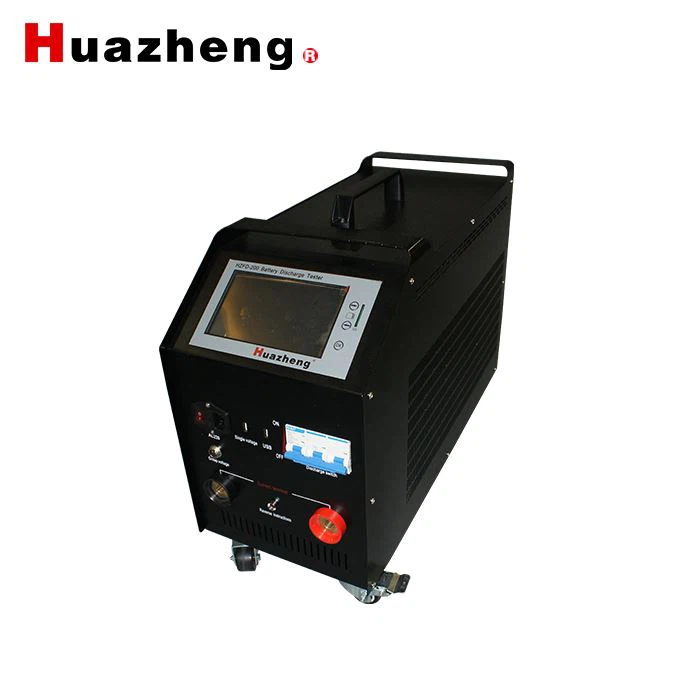
What a Battery Load Unit is? It's a piece of equipment used to test the performance of batteries by applying a specific electrical load. We offer some great models like the HZFD - 200 Battery Test 48V 300A DC Load Bank, HZFD - 200 220V 200A Inteillgent Battery Discharge Testing Machine, and HZFD - 200 DC Load Bank Battery Discharge Tester. These units are super important for ensuring the reliability of batteries in various applications, from small electronics to large industrial power systems.
1. Clean Before Storage
Before you put your Battery Load Unit away, it's crucial to give it a good clean. Over time, dust, dirt, and debris can accumulate on the unit, which might affect its performance. Use a soft, dry cloth to wipe down the exterior of the unit. Make sure to get into all the nooks and crannies, especially around the ventilation holes. If there are any stubborn stains, you can use a mild cleaning solution, but be careful not to get any liquid inside the unit.
2. Choose the Right Location
The storage location plays a huge role in the longevity of your Battery Load Unit. You want to pick a place that's dry, cool, and well - ventilated. High humidity can cause corrosion on the internal components of the unit. If you live in an area with high humidity, you might consider using a dehumidifier in the storage area.
Avoid storing the unit in direct sunlight or near sources of heat, like radiators or heaters. Excessive heat can damage the electronic components and reduce the lifespan of the unit. A temperature - controlled storage room is ideal, but if that's not possible, try to find a spot in your warehouse or storage area that stays relatively cool.
3. Protect from Physical Damage
Battery Load Units are delicate pieces of equipment, so you need to protect them from physical damage. Store the unit in a sturdy box or a dedicated storage rack. If you're using a box, make sure it's big enough to prevent the unit from being squeezed or crushed. You can also use padding, like foam or bubble wrap, to cushion the unit and absorb any shocks in case the box gets bumped or dropped.
4. Disconnect and Store Cables Properly
When you're storing the Battery Load Unit, disconnect all the cables. This helps prevent any short - circuits or electrical issues during storage. Coil the cables neatly and secure them with cable ties. You can also label the cables to make it easier to reconnect them when you need to use the unit again.
5. Check Periodically
Even when the unit is in storage, it's a good idea to check on it periodically. Every few months, take a look at the unit to make sure there are no signs of damage, corrosion, or pests. If you notice any issues, address them right away to prevent further damage.
6. Store in a Secure Environment
Keep your Battery Load Unit in a secure environment to prevent theft or unauthorized access. If you're storing it in a warehouse, make sure the area is locked and has proper security measures in place.
7. Documentation and Manuals
Don't forget to store the user manual and any other documentation that came with the unit. This will be really helpful if you need to refer to it later for maintenance or troubleshooting. You can keep the documentation in a plastic sleeve and attach it to the unit or store it in a separate file.
8. Charge the Internal Battery (if applicable)
Some Battery Load Units have an internal battery. If yours does, make sure to charge it to the recommended level before storage. An under - charged or over - charged battery can degrade over time, which might affect the performance of the unit.
9. Cover the Unit
Using a cover can provide an extra layer of protection for your Battery Load Unit. You can use a custom - made cover or a generic dust cover. Just make sure the cover fits well and doesn't trap moisture.
10. Follow Manufacturer's Instructions
Last but not least, always follow the manufacturer's instructions for storage. Different models might have specific requirements, so it's important to read the manual carefully.
If you're in the market for a high - quality Battery Load Unit or have any questions about storage or usage, don't hesitate to reach out. We're here to help you make the best choice for your battery testing needs. Whether you're a small business owner or part of a large industrial operation, we've got the right product for you. Contact us today to start the procurement process and take your battery testing to the next level.
References

- General knowledge about electronic equipment storage
- Product manuals of Battery Load Units