

What is the weight of a typical cable fault detector?
In the field of electrical engineering and power system maintenance, cable fault detectors play a crucial role in identifying and locating faults in cables. As a professional cable fault detector supplier, I often receive inquiries about various aspects of our products, including the weight of typical cable fault detectors. Understanding the weight of these devices is important for several reasons, such as portability, ease of use, and installation requirements.
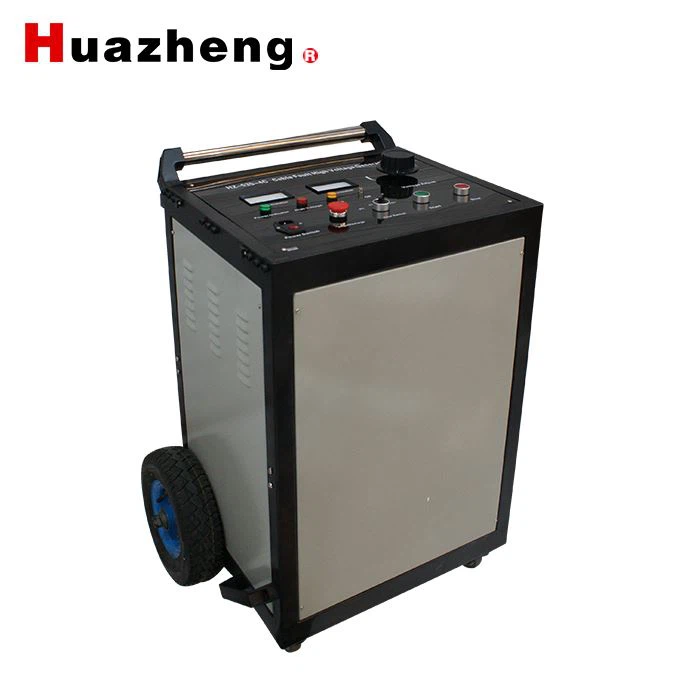

Factors Affecting the Weight of Cable Fault Detectors
The weight of a cable fault detector can vary significantly depending on several factors. Firstly, the type and complexity of the detector play a major role. Different models are designed for specific applications and may incorporate different technologies and features. For example, a basic cable fault detector that only uses simple resistance measurement techniques may be relatively lightweight. On the other hand, a more advanced detector that combines multiple detection methods, such as time - domain reflectometry (TDR), arc reflection, and acoustic detection, is likely to be heavier due to the additional components and circuitry.
Secondly, the power source and battery capacity also impact the weight. Detectors that rely on large - capacity batteries for extended operation in the field will naturally be heavier than those that can be powered by a smaller power supply or directly from the mains. Additionally, some detectors are equipped with built - in high - voltage power supplies, which can add a significant amount of weight.
The physical size of the detector is another factor. Larger detectors with bigger enclosures to accommodate more components and display screens will generally weigh more than smaller, more compact models.
Weights of Some Common Cable Fault Detectors
Let's take a look at some of the cable fault detectors in our product line. The HZ - 501A Underground Electrical Power Cable Fault Locator is a popular model for detecting faults in underground power cables. This detector uses a combination of TDR and acoustic methods to accurately locate faults. It weighs approximately 15 kilograms. The relatively moderate weight makes it suitable for field use, as technicians can carry it to different sites without too much difficulty.
The HZ - G35A Integrated High Frequency High Voltage Power Supply is an essential part of many cable fault detection setups. It provides the high - voltage pulses needed for fault detection. Due to its internal high - voltage components and power supply system, it weighs around 25 kilograms. This weight is a trade - off for its high - performance capabilities, as it can generate the necessary high - voltage signals for accurate fault detection in long - distance and high - voltage cables.
The HZ - A10 Integrated Electric Cable Fault Finder is a more compact and lightweight option. It is designed for detecting faults in low - voltage and medium - voltage cables. Weighing only about 8 kilograms, it is highly portable and easy to handle, making it ideal for quick inspections and troubleshooting in small - scale electrical systems.
Importance of Weight in Cable Fault Detector Selection
When choosing a cable fault detector, the weight is an important consideration, especially for field - based technicians. A lightweight detector allows for easier transportation and maneuverability, reducing fatigue during long - term use. This is particularly important in situations where technicians need to carry the detector to remote or hard - to - reach locations.
On the other hand, for stationary or laboratory - based applications, the weight may be less of a concern. In these cases, the focus may be more on the detector's accuracy, functionality, and the ability to handle complex fault scenarios.
Considerations for Weight and Portability
If portability is a key requirement, it is important to balance the weight with other features. For example, a very lightweight detector may have limited functionality or a shorter battery life. It is necessary to evaluate the specific needs of the application, such as the type of cables to be tested, the distance of the cable runs, and the frequency of use.
In addition, some cable fault detectors come with carrying cases or backpacks to make transportation easier. These accessories can also help distribute the weight more evenly, reducing the strain on the user.
Conclusion
In conclusion, the weight of a typical cable fault detector can vary widely depending on its type, features, power source, and physical size. As a cable fault detector supplier, we offer a range of products to meet different customer needs. Whether you need a lightweight and portable detector for on - the - go inspections or a heavier, more powerful device for complex fault detection in high - voltage systems, we have the right solution for you.
If you are interested in our cable fault detectors and would like to discuss your specific requirements, please feel free to reach out to us. We are more than happy to provide detailed product information, technical support, and assist you in making the right choice for your cable fault detection needs.
References
- Electrical Engineering Handbook, Third Edition, edited by Richard C. Dorf.
- Cable Fault Detection and Location Techniques, various industry research papers.