

As a supplier of Transformer Oil Purifiers, one of the most frequently asked questions I encounter is about the oil recycling rate of these machines. Understanding this rate is crucial for both the economic and environmental aspects of transformer oil management. In this blog, I'll delve into what the oil recycling rate of a Transformer Oil Purifier is, the factors that influence it, and why it matters.
What is the Oil Recycling Rate?
The oil recycling rate of a Transformer Oil Purifier refers to the proportion of used transformer oil that can be effectively purified and reused. It is typically expressed as a percentage. For example, if a purifier has an oil recycling rate of 90%, it means that 90% of the contaminated transformer oil fed into the system can be restored to a usable condition, while the remaining 10% might be lost due to various reasons such as evaporation, filtration residues, or irreversible degradation.
Factors Influencing the Oil Recycling Rate
1. Contamination Level
The degree of contamination in the transformer oil is a primary factor. Transformer oil can be contaminated with various substances, including water, particulate matter, and dissolved gases. Higher levels of contamination generally require more intensive purification processes, which can lead to a lower recycling rate. For instance, if the oil is heavily saturated with water, a significant amount of energy and time may be needed to remove it, and some oil might be lost during the dehydration process.
2. Purification Technology
Different Transformer Oil Purifiers use various purification technologies, such as vacuum dehydration, filtration, and degassing. The efficiency of these technologies plays a vital role in determining the recycling rate. Advanced purification systems are designed to minimize oil loss while effectively removing contaminants. For example, modern vacuum dehydration units can remove water from the oil without causing excessive evaporation of the oil itself, thus improving the recycling rate.
3. Oil Quality and Age
The original quality and age of the transformer oil also impact the recycling rate. Older oils may have undergone more chemical changes and degradation over time, making them more difficult to purify. Additionally, if the oil has been exposed to extreme operating conditions, such as high temperatures or electrical arcing, it may contain more complex contaminants that are harder to remove, resulting in a lower recycling rate.

Why the Oil Recycling Rate Matters
1. Economic Benefits
A high oil recycling rate can significantly reduce the cost of transformer oil management. Instead of constantly purchasing new oil, which can be expensive, recycling the existing oil can save a substantial amount of money. For large power utilities and industrial facilities that use a large volume of transformer oil, the cost savings can be substantial over time.
2. Environmental Impact
Recycling transformer oil is also environmentally friendly. Transformer oil contains various chemicals, and improper disposal can have a negative impact on the environment. By recycling the oil, we can reduce the amount of waste generated and minimize the need for new oil production, which often involves energy-intensive processes and resource extraction.
3. Equipment Performance
Using recycled and purified transformer oil can help maintain the performance and lifespan of transformers. Contaminated oil can cause insulation breakdown, overheating, and other problems in transformers. By ensuring a high recycling rate and using clean oil, we can improve the reliability and efficiency of transformers, reducing the risk of equipment failure and downtime.
Our Transformer Oil Purifiers and Their Recycling Rates
At our company, we are committed to providing high - quality Transformer Oil Purifiers with excellent oil recycling rates. Our purifiers are equipped with advanced purification technologies that are designed to maximize the recycling rate while effectively removing contaminants. For example, our latest model uses a combination of multi - stage filtration and high - efficiency vacuum dehydration to achieve a recycling rate of up to 95%.
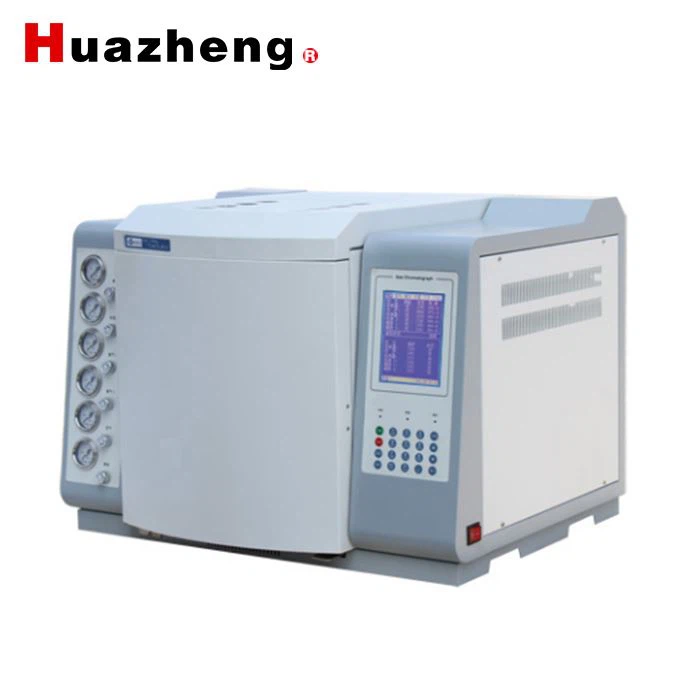
In addition to our Transformer Oil Purifiers, we also offer a range of related testing and diagnostic equipment. For instance, the HZGC - 1212A Transformer Oil Dga Dissolve Gas Analyzer can accurately detect the dissolved gases in transformer oil, which is crucial for assessing the condition of the oil and the transformer itself. The HZXB - 1000kVA/500kV Variable Frequency Series Resonant Test Device is used for high - voltage testing of transformers and other electrical equipment, ensuring their safety and reliability. And the 435Series Three Phase Handheld Power Analyzer can measure and analyze the power quality of electrical systems.
Contact Us for Purchase and Consultation
If you are interested in our Transformer Oil Purifiers or any of our other products, we invite you to contact us for more information. Whether you need to improve the oil recycling rate of your transformer oil, conduct oil testing, or perform high - voltage testing, our team of experts is ready to assist you. We can provide detailed product specifications, technical support, and customized solutions based on your specific needs.
References
- "Transformer Oil: Properties, Testing, and Maintenance" by Electrical Power Research Institute.
- "Handbook of Transformer Technology: Design and Practice" by J. L. Kirtley Jr.