

In the realm of electrical power systems, ensuring the reliable operation of circuit breakers is of paramount importance. Circuit breaker analyzers play a crucial role in this process by providing accurate measurements of various circuit breaker parameters. One key aspect that significantly impacts the accuracy and reliability of these measurements is the linearity of the circuit breaker analyzer. In this blog post, we, as a leading circuit breaker analyzer supplier, will delve into the concept of linearity in circuit breaker analyzer measurements, its significance, and how it relates to the performance of our products such as the HZC-4080 Circuit Breaker Analyzer Test Set, HZ-KG7 Vacuum Switch Interrupter Vacuity Tester, and HZ2161 Comprehensive Circuit Breaker Characteristics Analyser.
Understanding Linearity in Circuit Breaker Analyzer Measurements
Linearity, in the context of a circuit breaker analyzer, refers to the relationship between the input signal (the actual physical quantity being measured, such as current, voltage, or time) and the output signal (the measurement displayed by the analyzer). A perfectly linear circuit breaker analyzer would produce an output that is directly proportional to the input over its entire measurement range. In other words, if the input doubles, the output would also double; if the input is halved, the output would follow suit.
Mathematically, linearity can be expressed as a straight - line equation: (y = mx + b), where (y) is the output signal, (x) is the input signal, (m) is the slope of the line (representing the sensitivity of the measurement), and (b) is the y - intercept (which should ideally be zero).
Why Linearity Matters in Circuit Breaker Analysis
Accurate linearity is essential for several reasons when it comes to circuit breaker analysis:
1. Precise Parameter Measurement
Circuit breakers are complex devices, and their proper functioning depends on a variety of parameters such as opening and closing times, contact resistance, and synchronization. Non - linear measurements can lead to inaccurate readings of these parameters. For example, if the time measurement of a circuit breaker's opening or closing is non - linear, it could result in a misdiagnosis of the breaker's performance. A small error in time measurement can have significant implications for the coordination of the power system protection scheme.
2. Comparability of Results
In the field of electrical engineering, it is often necessary to compare the performance of different circuit breakers or to evaluate the same breaker over time. Linear measurements ensure that the results obtained are comparable, regardless of the magnitude of the input signal. This comparability is crucial for making informed decisions about circuit breaker maintenance, replacement, or troubleshooting.
3. Compliance with Standards
The electrical industry is governed by a set of standards and regulations that specify the accuracy and performance requirements for circuit breaker testing equipment. Many of these standards mandate a certain level of linearity in measurements to ensure the reliability and safety of electrical systems. By using a circuit breaker analyzer with good linearity, users can ensure compliance with these standards.
Factors Affecting the Linearity of Circuit Breaker Analyzers
Several factors can influence the linearity of a circuit breaker analyzer's measurements:
1. Sensor and Signal Conditioning
The sensors used in the analyzer to measure physical quantities such as current, voltage, and time are the first components in the measurement chain. Any non - linearity in the sensors themselves can be transferred to the overall measurement. For example, a current transformer with a non - linear magnetization curve can introduce errors in current measurements. Signal conditioning circuits, which amplify, filter, and convert the sensor signals, also need to be designed with high linearity to preserve the accuracy of the measurements.
2. Analog - to - Digital Conversion
Most modern circuit breaker analyzers use analog - to - digital converters (ADCs) to convert the continuous analog signals from the sensors into discrete digital values. The linearity of the ADC is crucial, as any non - linearity in this conversion process can distort the measurement. Low - quality ADCs may exhibit non - linear behavior, especially at the extremes of their input range.
3. Environmental Conditions
External factors such as temperature, humidity, and electromagnetic interference can affect the linearity of a circuit breaker analyzer. For instance, temperature changes can cause the electrical characteristics of the components in the analyzer to vary, leading to non - linear responses. Therefore, circuit breaker analyzers need to be designed to minimize the impact of environmental conditions on their linearity.
Our Approach to Ensuring Linearity in Our Circuit Breaker Analyzers
As a trusted circuit breaker analyzer supplier, we take several steps to ensure the high linearity of our products:
Sensor Selection and Calibration
We carefully select high - quality sensors with known linear characteristics. During the manufacturing process, these sensors are calibrated to ensure that they provide accurate and linear measurements over a wide range of input values. This calibration process involves comparing the sensor's output with a known reference signal and adjusting the analyzer's internal settings accordingly.
Advanced Signal Processing
Our circuit breaker analyzers are equipped with advanced signal processing algorithms. These algorithms are designed to correct for any small non - linearities that may be present in the sensor or signal conditioning circuits. By continuously monitoring and adjusting the measurement values, the algorithms ensure that the final output is as linear as possible.
Environmental Protection
To minimize the impact of environmental conditions on the linearity of our analyzers, we use robust housing designs and temperature - compensated components. The analyzers are also tested under a variety of environmental conditions to ensure that they maintain their linearity and performance in real - world situations.
Specific Examples of Our Products and Linearity
Let's take a closer look at some of our products and how their design and features contribute to linearity:
HZC - 4080 Circuit Breaker Analyzer Test Set
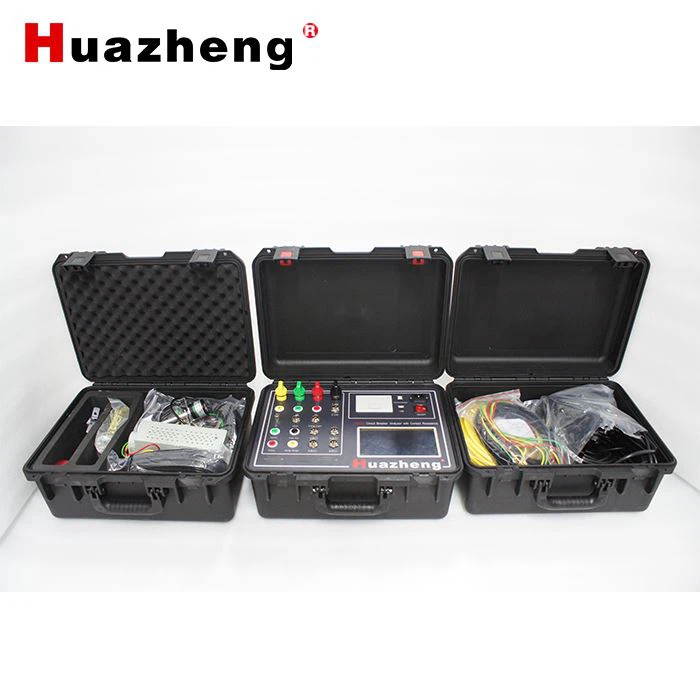
The HZC - 4080 Circuit Breaker Analyzer Test Set is designed for comprehensive testing of circuit breakers. It uses high - precision sensors for current and time measurements. The internal signal processing algorithms are optimized to provide linear measurements across the entire operating range. This ensures that users can obtain accurate and comparable results for different types of circuit breakers, regardless of the magnitude of the measured parameters.
HZ - KG7 Vacuum Switch Interrupter Vacuity Tester
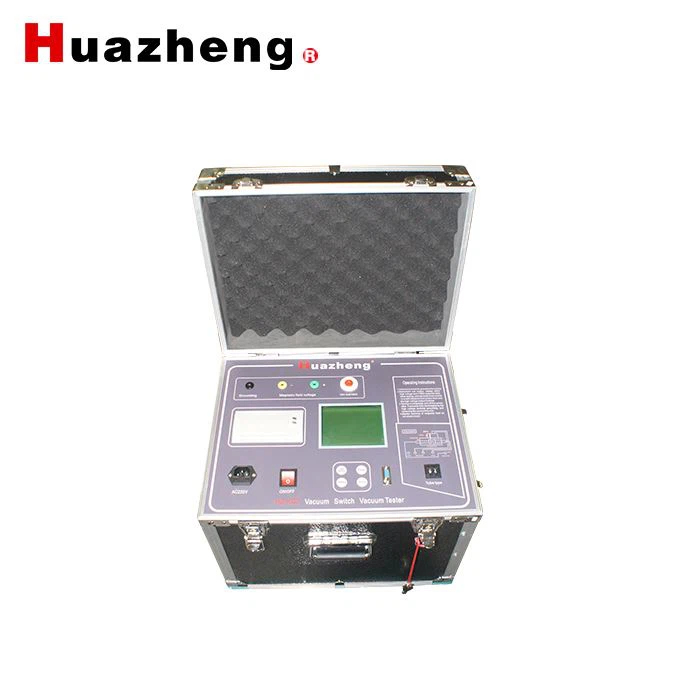
The HZ - KG7 Vacuum Switch Interrupter Vacuity Tester is specialized in testing the vacuum level of vacuum switch interrupters. Linearity is crucial in this application, as small changes in the vacuum level can significantly affect the performance of the switch. Our tester uses a linear sensor and advanced calibration techniques to provide accurate and reliable measurements of the vacuum level.
HZ2161 Comprehensive Circuit Breaker Characteristics Analyser
The HZ2161 Comprehensive Circuit Breaker Characteristics Analyser is a powerful tool for analyzing multiple characteristics of circuit breakers, including contact resistance, opening and closing times. It features a high - resolution ADC and sophisticated signal conditioning circuits to ensure linear measurements. The analyzer's software also includes linearity correction algorithms to further enhance the accuracy of the measurements.
Conclusion and Call to Action
In conclusion, the linearity of a circuit breaker analyzer's measurements is a critical factor in ensuring the accurate assessment of circuit breaker performance. Our company, as a leading circuit breaker analyzer supplier, is committed to providing products with high linearity and reliability. By using our HZC - 4080 Circuit Breaker Analyzer Test Set, HZ - KG7 Vacuum Switch Interrupter Vacuity Tester, and HZ2161 Comprehensive Circuit Breaker Characteristics Analyser, you can be confident in obtaining precise and comparable measurement results.
If you are in the market for high - quality circuit breaker analyzers or have any questions about our products, we encourage you to reach out to us for a detailed discussion. Our team of experts is always ready to assist you in finding the most suitable solution for your circuit breaker testing needs.
References
- IEEE Standard for High - Voltage Circuit Breakers - IEEE Std C37.06.
- IEC 62271 - 100: High - voltage switchgear and controlgear - Part 100: High - voltage alternating - current circuit - breakers.
- Electrical Power System Protection by A. J. Phadke and J. S. Thorp.