

In the realm of electrical systems, circuit breaker analyzers play a pivotal role in ensuring the safety and reliability of power distribution. These sophisticated devices are designed to test and evaluate the performance of circuit breakers, which are the critical components that protect electrical circuits from overloads and short - circuits. One often - overlooked factor that can significantly impact the performance of a circuit breaker analyzer is humidity. In this blog, we will explore what the humidity tolerance of a circuit breaker analyzer is and why it matters, especially for a supplier like us who is dedicated to providing high - quality solutions.
Understanding Humidity and Its Effects
Humidity refers to the amount of water vapor present in the air. High humidity levels can lead to condensation, which can have detrimental effects on electrical equipment. When it comes to circuit breaker analyzers, excessive moisture in the air can cause corrosion of internal components, short - circuits, and inaccurate test results. Moreover, humidity can affect the performance of sensors and electronic circuits within the analyzer, leading to unreliable measurements.
Defining Humidity Tolerance
The humidity tolerance of a circuit breaker analyzer is the range of relative humidity levels within which the device can operate safely and accurately. Relative humidity is expressed as a percentage and represents the amount of moisture in the air compared to the maximum amount of moisture the air can hold at a given temperature.
For most circuit breaker analyzers, the typical humidity tolerance ranges from 10% to 90% relative humidity (RH). However, it's important to note that this range can vary depending on the design, construction, and intended use of the analyzer. Some analyzers are specifically engineered to operate in harsh environments with higher humidity levels, while others may be more sensitive and require a more controlled climate.
Factors Affecting Humidity Tolerance
Construction Materials
The choice of materials used in the construction of a circuit breaker analyzer can have a significant impact on its humidity tolerance. For example, analyzers with enclosures made of corrosion - resistant materials such as stainless steel or aluminum are better able to withstand high humidity environments. Additionally, the use of moisture - resistant coatings on internal components can help prevent damage from condensation.
Sealing and Ventilation
Proper sealing is crucial for protecting a circuit breaker analyzer from moisture ingress. Analyzers with well - sealed enclosures are less likely to be affected by humidity. However, some ventilation is also necessary to prevent the buildup of heat and moisture inside the device. Designers must strike a balance between sealing and ventilation to ensure optimal performance under varying humidity conditions.
Electronic Component Selection
The electronic components used in a circuit breaker analyzer also play a role in its humidity tolerance. Components with high moisture resistance, such as surface - mount devices with epoxy encapsulation, are preferred for use in humid environments. Additionally, the use of moisture - sensing and compensation circuits can help improve the accuracy of the analyzer's measurements in the presence of humidity.
Our Circuit Breaker Analyzers and Their Humidity Tolerance
As a leading supplier of circuit breaker analyzers, we understand the importance of humidity tolerance in ensuring the reliability and accuracy of our products. Our product line includes a variety of analyzers that are designed to meet different application requirements and environmental conditions.
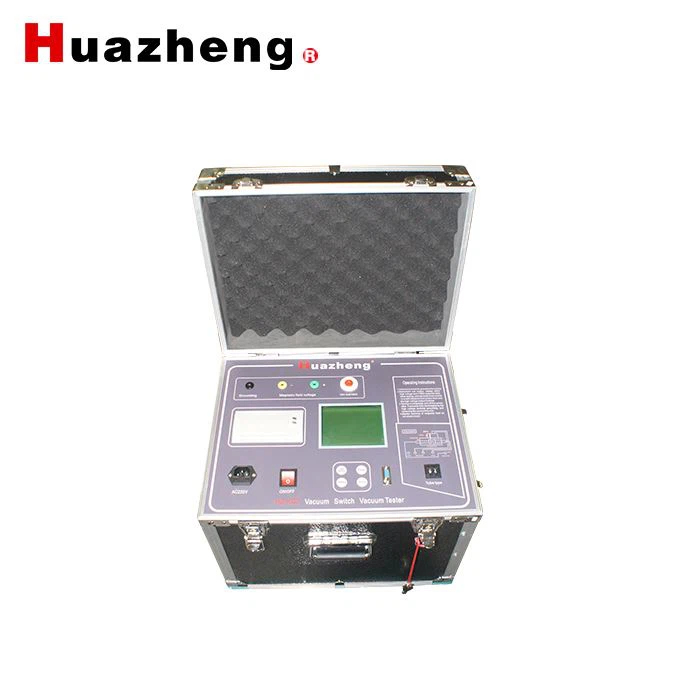
- HZ - KG7 Vacuum Switch Interrupter Vacuity Tester: This advanced tester is engineered to operate in a wide range of humidity conditions, with a humidity tolerance of 10% - 90% RH. Its robust construction and moisture - resistant design make it suitable for use in both indoor and outdoor applications, even in areas with high humidity levels.
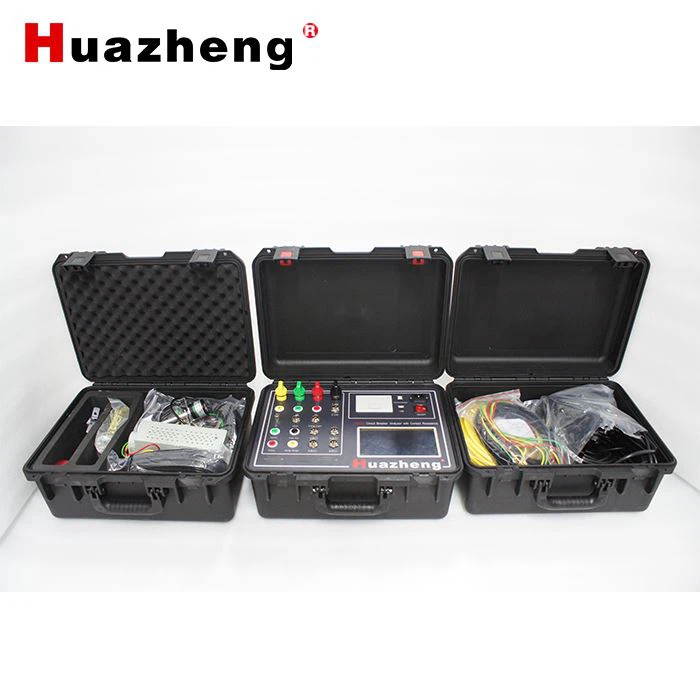
- HZ2161 Comprehensive Circuit Breaker Characteristics Analyser: Our HZ2161 analyzer offers precise and reliable measurements, even in humid environments. With a humidity tolerance of 15% - 85% RH, it is equipped with advanced sensors and electronic circuits that are designed to compensate for the effects of humidity, ensuring accurate test results.
- DC Switch Circuit Breaker Ampere - Second Characteristic Tester: This specialized tester is built to withstand the rigors of high - humidity environments. It has a humidity tolerance of 20% - 90% RH, making it an ideal choice for applications where moisture is a concern, such as in industrial settings or near coastal areas.
Importance of Considering Humidity Tolerance
When choosing a circuit breaker analyzer, it is essential to consider the humidity tolerance of the device, especially if it will be used in an environment with high humidity levels. Using an analyzer that is not suitable for the humidity conditions can lead to inaccurate test results, premature component failure, and increased maintenance costs.
For example, in a coastal power plant where the humidity is often high, using a circuit breaker analyzer with a low humidity tolerance could result in false readings, leading to incorrect assessments of the circuit breaker's performance. This could potentially lead to undetected faults and pose a significant risk to the safety and reliability of the power system.
Tips for Using Circuit Breaker Analyzers in Humid Environments
- Proper Storage: When not in use, store the circuit breaker analyzer in a dry environment. Use desiccant packs in storage cabinets to absorb moisture.
- Regular Inspections: Conduct regular inspections of the analyzer for signs of corrosion or moisture damage. Check the seals and ventilation openings to ensure they are functioning properly.
- Pre - operation Checks: Before using the analyzer, allow it to acclimate to the ambient temperature and humidity. This can help prevent condensation from forming inside the device.
Conclusion
The humidity tolerance of a circuit breaker analyzer is a critical factor that can affect its performance, reliability, and lifespan. As a supplier, we are committed to providing high - quality analyzers that are designed to operate effectively in a wide range of humidity conditions. Our products, such as the HZ - KG7 Vacuum Switch Interrupter Vacuity Tester, HZ2161 Comprehensive Circuit Breaker Characteristics Analyser, and DC Switch Circuit Breaker Ampere - Second Characteristic Tester, are engineered to meet the challenges of humid environments.
If you are in the market for a circuit breaker analyzer and need to ensure reliable performance in varying humidity conditions, we invite you to contact us for a detailed discussion. Our team of experts is ready to help you select the right product for your specific needs and provide you with the support you need throughout the purchasing process.
References
- Electrical Testing Equipment Handbook: Principles and Practices
- Handbook of Humidity Measurement and Control
- IEEE Standards for Testing and Evaluation of Circuit Breakers