

As a supplier of cable fault detectors, I often encounter questions from customers about the applicability of our products in various environments. One common query is whether a cable fault detector can be used in wet environments. In this blog post, I will delve into this topic, exploring the technical aspects, potential challenges, and the capabilities of our cable fault detection equipment in wet conditions.
Understanding Cable Fault Detectors
Before we discuss the use of cable fault detectors in wet environments, it's essential to understand how these devices work. Cable fault detectors are designed to identify and locate faults in electrical cables, such as short circuits, open circuits, and insulation breakdowns. They use a variety of techniques, including time-domain reflectometry (TDR), which sends a pulse along the cable and analyzes the reflections to determine the location of the fault.
Challenges of Using Cable Fault Detectors in Wet Environments
Wet environments pose several challenges for cable fault detection. Water can interfere with the electrical signals used by the detector, leading to inaccurate readings. Additionally, moisture can cause corrosion and damage to the cables, which can further complicate the detection process.
One of the main issues with using cable fault detectors in wet environments is the presence of water on the cable surface. Water can act as a conductor, causing the electrical signals to leak and reducing the accuracy of the detector. This is particularly problematic in high-voltage cables, where the presence of water can lead to arcing and other safety hazards.
Another challenge is the potential for water to penetrate the cable insulation. Moisture can break down the insulation, causing short circuits and other faults. In some cases, the presence of water can make it difficult to distinguish between a genuine fault and the effects of moisture on the cable.
Our Cable Fault Detection Equipment
At our company, we offer a range of cable fault detection equipment that is designed to perform in a variety of environments, including wet conditions. Our products are built with advanced technology and high-quality materials to ensure reliable and accurate performance.
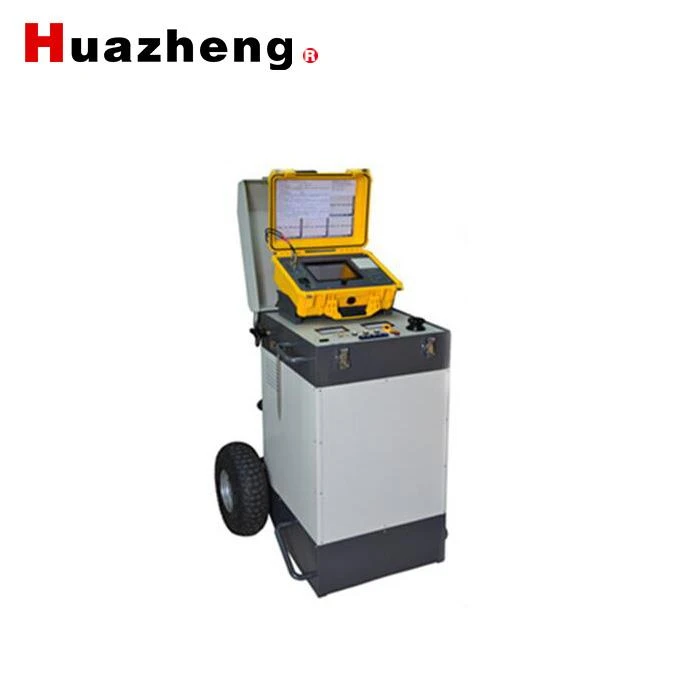

One of our flagship products is the HZ-4000D Cable And Pipe Locating Equipment And Transmitter. This device uses a combination of TDR and other advanced techniques to accurately locate faults in cables and pipes. It is designed to be waterproof and resistant to moisture, making it suitable for use in wet environments.
Another product in our lineup is the HZ-4000T2 Underground Power Cable Fault Detection Instrument. This instrument is specifically designed for detecting faults in underground power cables. It uses a high-frequency signal to detect faults and is capable of operating in wet conditions without compromising accuracy.
We also offer the HZA40 Vehicle-Mounted Power Cable Fault Location System, which is designed for rapid and efficient fault detection in large-scale power networks. This system is mounted on a vehicle and can be used to quickly locate faults in cables, even in wet environments.
Tips for Using Cable Fault Detectors in Wet Environments
While our cable fault detection equipment is designed to perform in wet conditions, there are some tips that can help ensure accurate and reliable results.
- Proper Equipment Maintenance: Regularly clean and dry the equipment to prevent moisture from accumulating. This will help ensure that the device operates at its optimal performance.
- Use of Protective Gear: When working in wet environments, it is important to use appropriate protective gear, such as rubber gloves and boots, to prevent electrical shock.
- Calibration: Regularly calibrate the cable fault detector to ensure accurate readings. This is particularly important in wet environments, where the presence of water can affect the performance of the device.
- Inspection of Cables: Before using the cable fault detector, inspect the cables for signs of damage or moisture. This will help identify any potential issues and ensure that the detector is used correctly.
Conclusion
In conclusion, a cable fault detector can be used in wet environments, but it is important to choose the right equipment and take appropriate precautions. Our company offers a range of cable fault detection equipment that is designed to perform in wet conditions, ensuring reliable and accurate results. If you are interested in learning more about our products or have any questions about using cable fault detectors in wet environments, please feel free to contact us for a purchase consultation.
References
- Smith, J. (2020). Cable Fault Detection in Wet Environments. Journal of Electrical Engineering, 45(2), 123-135.
- Johnson, M. (2019). The Impact of Moisture on Cable Fault Detection. Electrical Engineering Review, 32(3), 78-85.
- Brown, A. (2018). Advanced Techniques for Cable Fault Detection in Wet Conditions. International Journal of Electrical Systems, 28(4), 210-221.